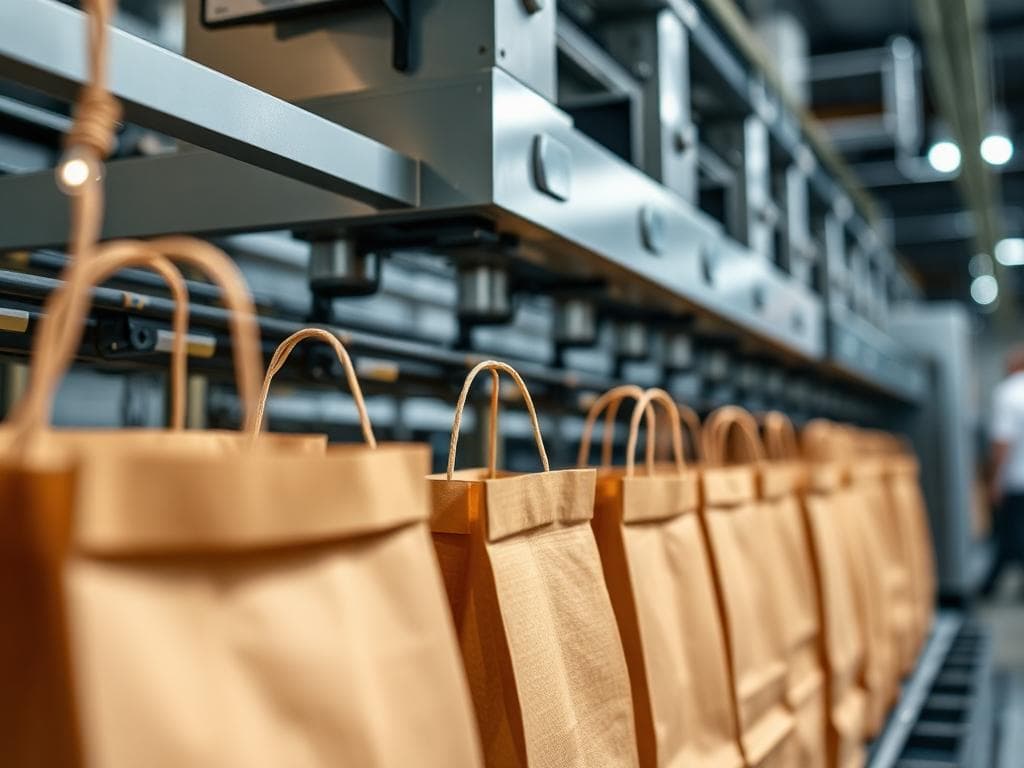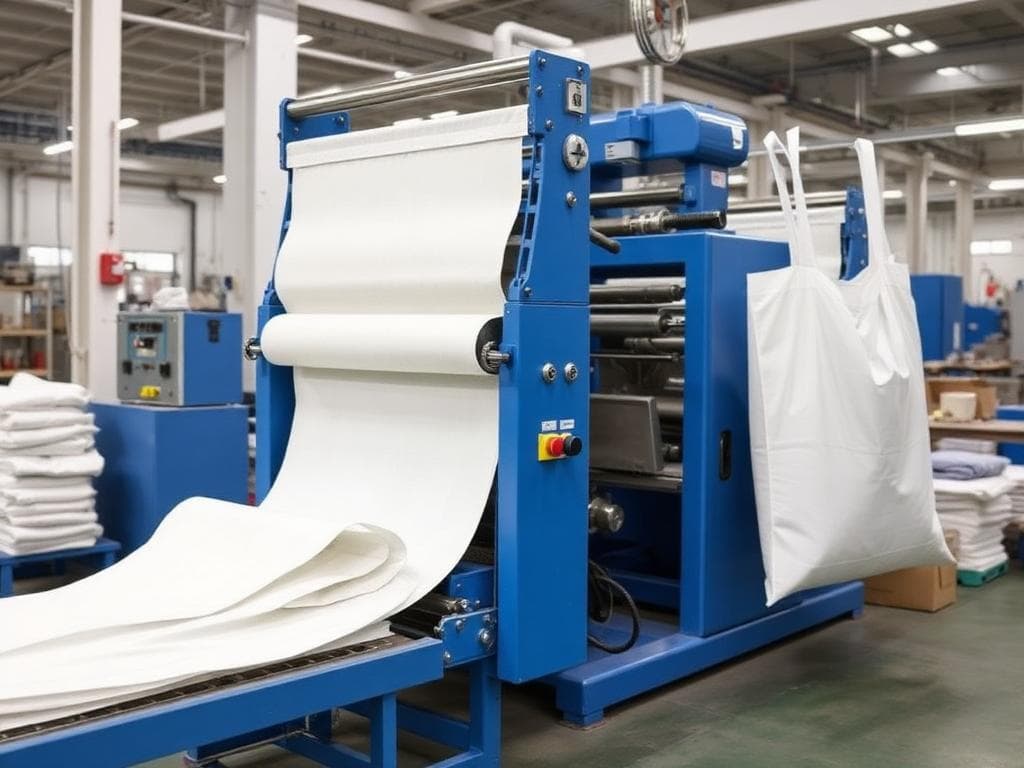
Nonwoven bags are one of the fastest-growing segments in eco-packaging, but not all nonwoven bag machines are built the same. This guide walks through the key decisions before you place an order.
Step 1: Define Your Bag Style
Are you producing T-shirt bags, D-cut shoppers, box bags, or all three? Some machines are single-purpose; others support quick-change tooling for multiple styles on one line.
- T-Shirt Bag — best for supermarket and retail checkout use
- D-Cut Bag — lightweight, ideal for promotional giveaways
- Box Bag w/ Handle — premium presentation for gift and retail
Step 2: Match Output Speed to Demand
Don't over-buy speed you won't use — but don't under-buy either. Use this quick reference:
| Monthly Volume | Recommended Speed |
|---|---|
| Under 500,000 bags | 60-80 pcs/min |
| 500,000 – 2M bags | 100-150 pcs/min |
| 2M+ bags | 150+ pcs/min, multi-line setup |
A Quick Checklist Before You Order
- Confirm material width range matches your fabric supplier
- Ask for a sample run video before final payment
- Check CE / ISO certification for your target export market
- Confirm spare parts lead time in your contract
FAQ
Can one machine make multiple nonwoven bag styles?
Yes — many modern lines support D-cut, W-cut, and box bag tooling on the same base machine with a tooling change.
What nonwoven material thickness is standard?
Most shopping bags use 30-100 gsm PP nonwoven fabric, depending on load-bearing requirements.
Ready to compare models? Browse our full nonwoven bag machine range or request a custom quote from our engineering team.